Restoring Madagascar’s Reefs: A Collaborative Conservation Success
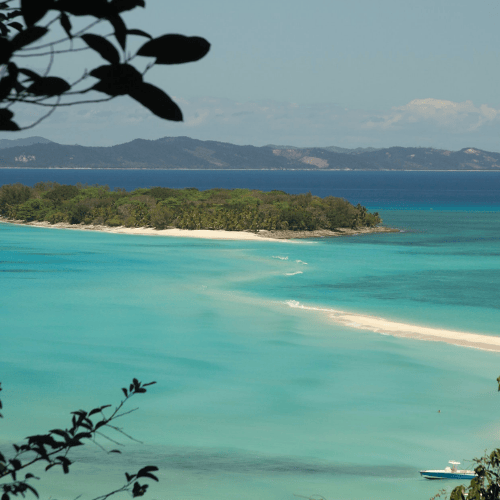
In the waters off Nosy Be, Madagascar, an inspiring marine conservation effort is making waves. Through a collaborative initiative between Régénération Koraï and INDRI – Initiative for Development, Ecological Restoration and Innovation, local coral reefs are being actively restored to support both biodiversity and coastal communities.
Coral reefs play a critical role in marine ecosystems, sheltering extensive biodiversity, protecting shorelines from erosion, supporting fisheries, and underpinning tourism-based livelihoods. Yet these vital underwater habitats are increasingly threatened by sedimentation, climate change, destructive fishing practices, and pollution. Sediment carried into the sea from deforested land can cloud water and block sunlight, hindering the microscopic algae that fuel coral growth and ultimately leading to reef decline if no action is taken.
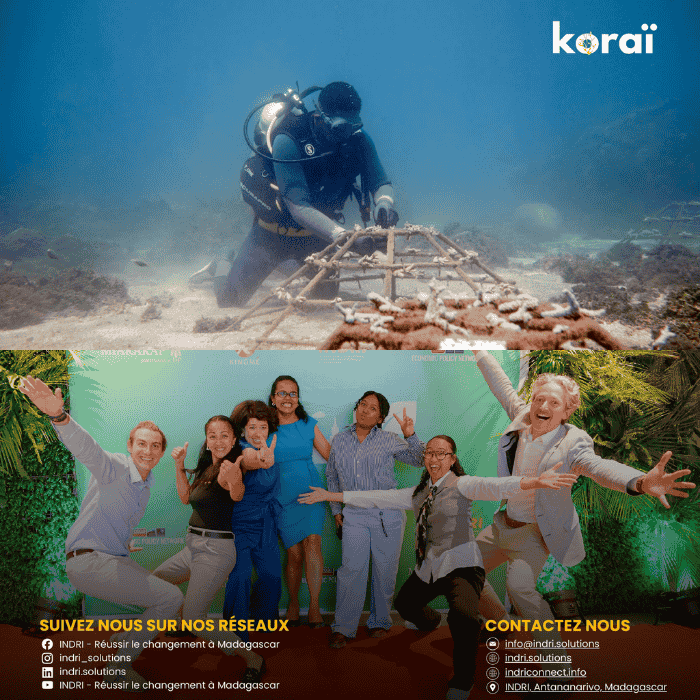
To confront this crisis, Régénération Koraï has developed underwater coral nurseries around Nosy Be where coral fragments are cultivated on purpose-built structures. These fragments are then carefully transplanted back onto degraded reef areas, where they are monitored and maintained to help ensure long‑term survival and growth.
This hands‑on restoration work not only helps revive reef structures but also raises awareness among local communities and visitors about the interconnectedness of land and sea. Schools and residents are actively engaged in learning about how forest health, soil stability, and water clarity are linked to the wellbeing of coral ecosystems — making conservation a shared responsibility.
INDRI’s involvement enhances this approach, connecting coral restoration with broader ecological, social, and economic strategies for sustainable development in Madagascar. As a think‑and‑do‑tank, INDRI helps mobilize actors from civil society, government, and the private sector to foster long‑term solutions that reinforce both natural and human resilience on land and at sea.
By blending practical restoration techniques with education and systemic ecological thinking, the initiative in Nosy Be stands out as a model of community‑driven environmental stewardship. It demonstrates how collaborative action can begin to reverse the decline of critical ecosystems, safeguard marine biodiversity, and support sustainable livelihoods — inspiring others around the world to look beyond conventional conservation methods toward integrated, local solutions.
In a time when coral ecosystems everywhere are under threat, this project shines as a testament to what is possible when people, science, and strategic partnerships come together to protect the planet’s blue heart.