Namaqualand, South Africa: Experiencing the Wildflower Season Through Responsible Travel
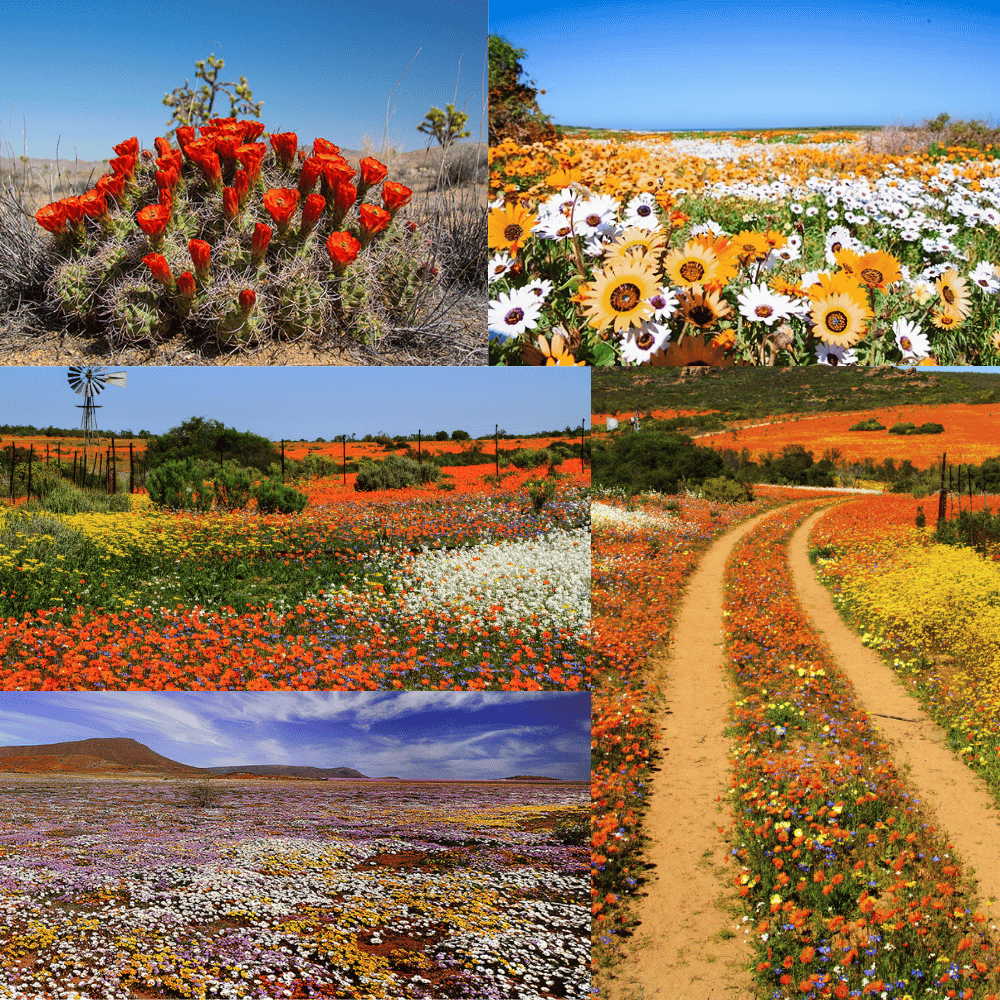
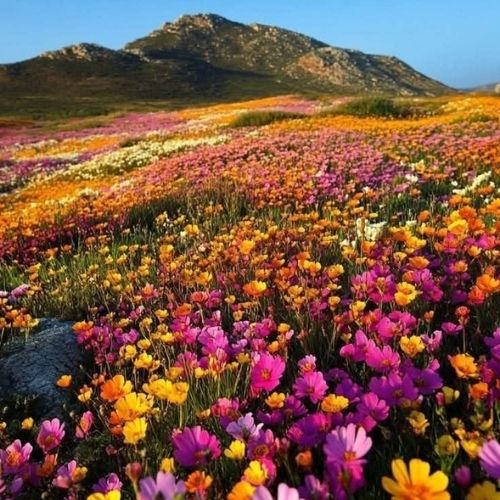
Each year, the arid landscapes of Namaqualand in South Africa are transformed into a spectacular display of colour. Following the winter rains, millions of wildflowers bloom across this semi-desert region, creating one of the world’s most extraordinary natural phenomena. This annual event attracts visitors from around the globe and offers an opportunity to discover the region through a sustainable travel approach.
The best time to visit Namaqualand is during the wildflower season, which generally extends from August to September, with peak flowering often occurring between mid-August and early September. The exact timing depends on rainfall and weather conditions. Sunny days provide the most rewarding experience, as the flowers fully open between late morning and mid-afternoon.
Namaqualand lies within the Succulent Karoo biome, one of the world’s biodiversity hotspots, renowned for its exceptional concentration of endemic plant species. Preserving this fragile ecosystem is essential. Visitors can contribute by remaining on designated trails, avoiding damage to vegetation, and respecting wildlife and natural habitats throughout their stay.
Responsible travel also means supporting local communities. Staying in family-run guesthouses or eco-lodges and participating in community-based tourism initiatives helps ensure that tourism directly benefits local residents. Local guides offer valuable insights into the region’s unique environment, history and cultural heritage, creating a richer and more meaningful travel experience.
Travellers can further reduce their environmental impact by carrying reusable water bottles, limiting single-use plastics, conserving water in this naturally arid environment and choosing businesses committed to sustainable practices. Spending more time in the destination also encourages a deeper appreciation of the landscape while promoting a slower and more conscious form of tourism.
Engaging with the cultural heritage of Namaqualand is another important aspect of responsible travel. Learning about the traditions and ecological knowledge of the local Nama communities highlights the close relationship between people and their environment and fosters greater respect for the region’s identity.
Namaqualand’s wildflower season is not only a breathtaking natural spectacle but also a reminder of the importance of protecting vulnerable ecosystems. Through thoughtful choices and responsible behaviour, visitors can help preserve this remarkable landscape while supporting the communities that contribute to its conservation.
Travelling responsibly in Namaqualand demonstrates that tourism can play a positive role in safeguarding natural and cultural heritage for generations to come.