Beyond the Safari: Discover Sustainable Tanzania
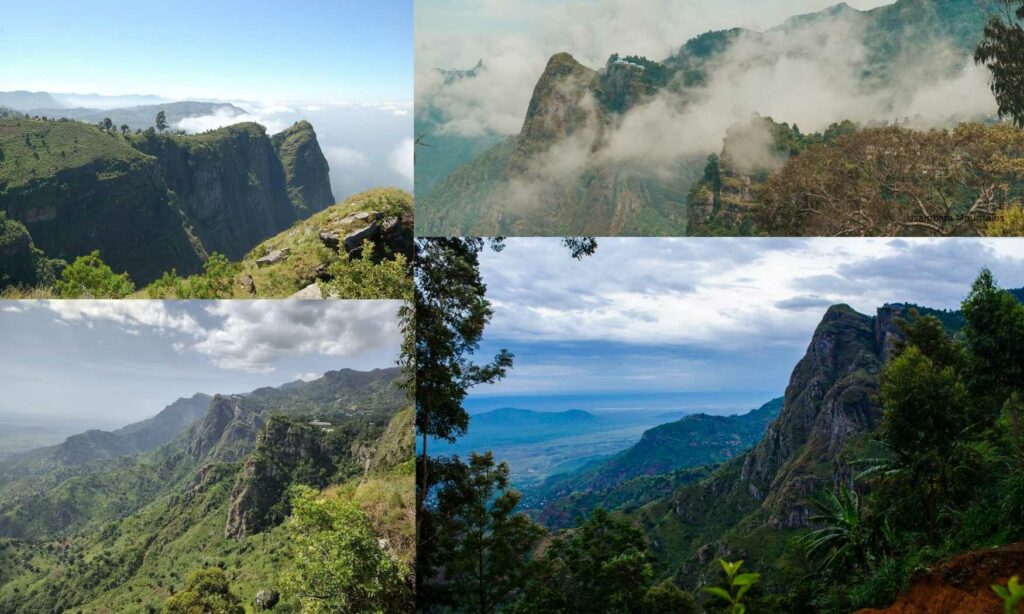
Tanzania is renowned worldwide for its iconic safari destinations, Mount Kilimanjaro, and the pristine beaches of Zanzibar. Yet beyond these famous attractions lies the Usambara Mountains, a breathtaking region in northeastern Tanzania that is emerging as a model for responsible and community-based tourism.
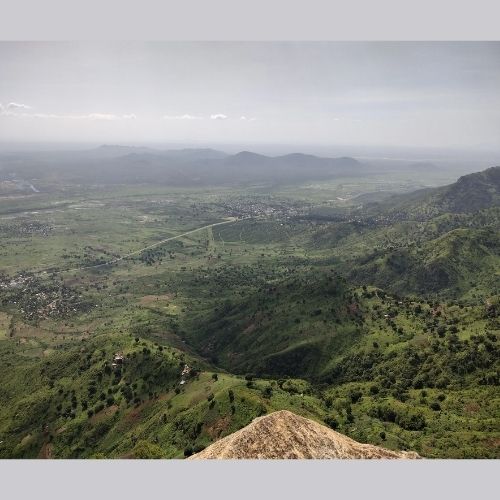
Rich in biodiversity, the Usambara Mountains are home to ancient forests, endemic wildlife, picturesque villages, and spectacular hiking trails. Recognizing the region’s unique environmental and cultural value, UN Tourism has launched the Development and Promotion of Sustainable Forms of Tourism in the Usambara Mountains initiative to strengthen sustainable tourism while improving the livelihoods of local communities.
The project supports locally owned tourism businesses, community homestays, nature guides, and cultural experiences that allow visitors to discover the authentic traditions of the Usambara people. By investing in training, entrepreneurship, and destination management, the initiative ensures that tourism generates direct economic benefits for residents while preserving the area’s exceptional natural heritage.
For travelers, the experience goes far beyond sightseeing. Walking through lush forests, visiting local farms, sharing traditional meals, and learning about indigenous knowledge create meaningful connections between visitors and host communities. Slow travel, eco-friendly accommodation, and locally guided activities encourage a more respectful way of exploring Tanzania while reducing environmental impacts.
The Usambara Mountains demonstrate that tourism can be a powerful tool for conservation, cultural preservation, and inclusive economic development. By promoting destinations beyond the country’s traditional safari circuit, Tanzania is diversifying its tourism offer while encouraging visitors to experience a more authentic and sustainable side of the country.
As responsible travel continues to grow worldwide, the Usambara Mountains stand as an inspiring example of how tourism can protect nature, celebrate culture, and create lasting opportunities for local communities — making Tanzania not only a world-class destination but also a leader in sustainable tourism.