BIOCOM Project: A Community-Driven Model for Sustainable Conservation in Madagascar
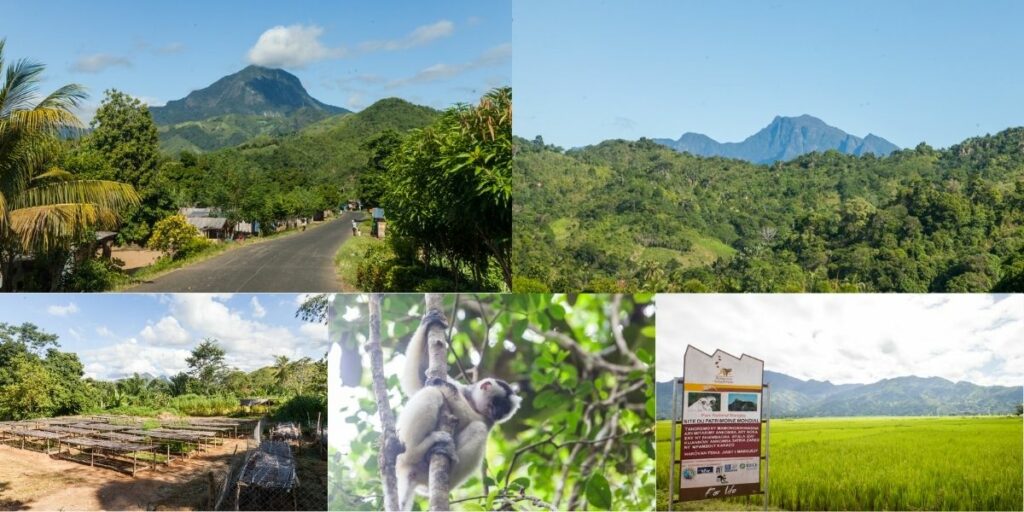
The BIOCOM project, led by UNESCO, stands out as an inspiring local initiative in Madagascar, working toward the sustainable protection of the Montagne des Français in the north of the island. Facing severe deforestation and pressure from charcoal production and land conversion, this unique dry forest ecosystem is home to remarkable endemic biodiversity that is now under threat.
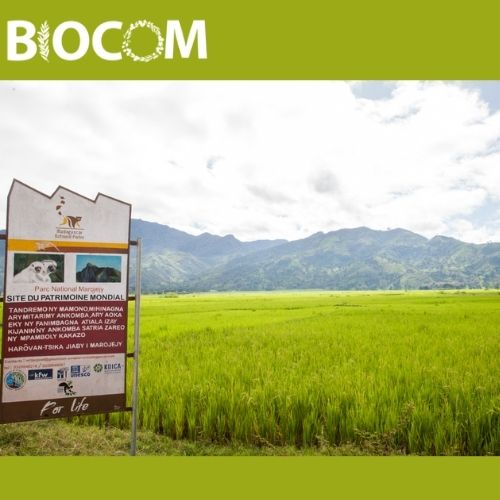
By combining conservation efforts with education and community engagement, BIOCOM promotes sustainable livelihoods and alternative income sources for local populations. The project also supports the protection of key ecosystems such as Marojejy National Park and Andohahela National Park, both part of the UNESCO World Heritage-listed rainforests of Atsinanana — critical habitats for rare and endangered species, including lemurs.
Through capacity-building, environmental education, and inclusive governance — particularly involving youth and women — BIOCOM contributes to long-term resilience, climate adaptation, and biodiversity conservation. It is a strong example of how community-based and sustainable approaches can protect natural heritage while supporting local development in Madagascar.