Nature Seychelles: Conservation at the Heart of Responsible Tourism
The Seychelles’ beauty is easy to admire. Protecting it takes sustained work, scientific knowledge and local commitment. Nature Seychelles brings these elements together, making this conservation organisation an outstanding initiative worth discovering — and supporting.
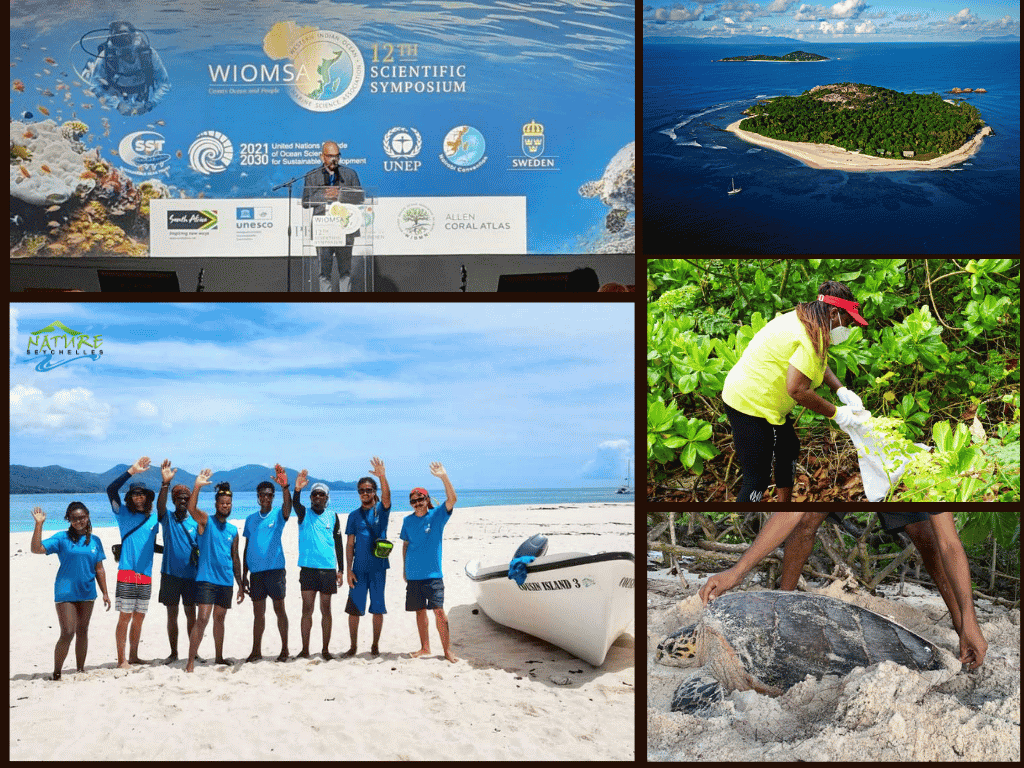
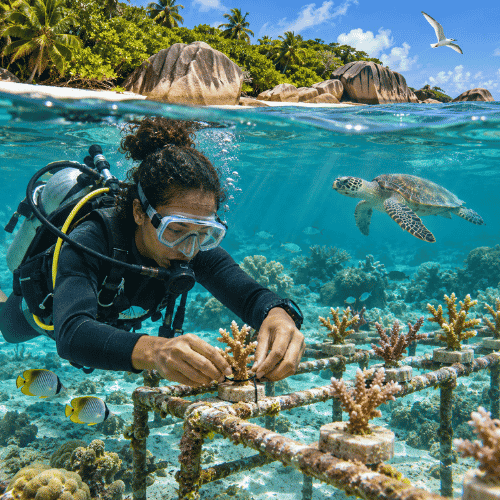
Founded in 1998, the nonprofit works to protect threatened species, restore ecosystems and advance environmental education. Its activities range from bird conservation to coral reef restoration, with a mission that connects the wellbeing of wildlife and people.
Cousin Island: A Conservation Story Visitors Can Experience
One of the clearest examples of its work is Cousin Island Special Reserve, managed by Nature Seychelles since 1998.
Once a coconut plantation, the island has been transformed through habitat restoration into a thriving native forest. Its protected landscapes provide a refuge for endemic birds, while its beaches are important nesting grounds for hawksbill turtles. This recovery gives visitors something remarkable to experience: an island whose natural richness reflects decades of conservation effort.
How Tourism Supports Conservation
On Cousin Island, the link between tourism and conservation is concrete. Visitor fees help fund reserve management, scientific research, conservation and environmental education, both on the island and beyond. A visit therefore contributes to the work that keeps this protected place alive.
The experience also encourages understanding. Guided walks with the reserve’s wardens introduce visitors to the island’s biodiversity and explain why it needs protection. Even the boat transfer serves a conservation purpose: visitors board the reserve’s own boats for the final approach to help prevent the accidental introduction of pests.
These practical measures show what responsible tourism looks like on the ground: access shaped around the needs of wildlife, with opportunities to learn along the way.
Local People at the Heart of the Experience
Nature Seychelles reports that Cousin Island is managed entirely by local staff and that its ecotourism activities benefit communities on neighbouring Praslin. Local tour operators also provide excursions to the reserve.
This connection matters. Responsible tourism gains lasting value when conservation creates opportunities for the people who live closest to protected areas. Local knowledge, guiding and environmental management become part of what makes the visitor experience meaningful.
An Initiative Worth Knowing — and Supporting
Nature Seychelles offers a compelling example of how a destination can welcome visitors while investing in its natural heritage. Its work invites travellers to look beyond the scenery and discover the people, research and daily care behind it.
For anyone interested in a more thoughtful way to experience the Seychelles, this is an organisation worth getting to know. Learning about its projects, sharing its work or arranging a responsible visit to Cousin Island are practical ways to begin.
Discover the organisation helping protect Seychelles’ extraordinary wildlife — and showing how tourism can contribute to its future.