The spectacular sardine run returns to South Africa’s Wild Coast
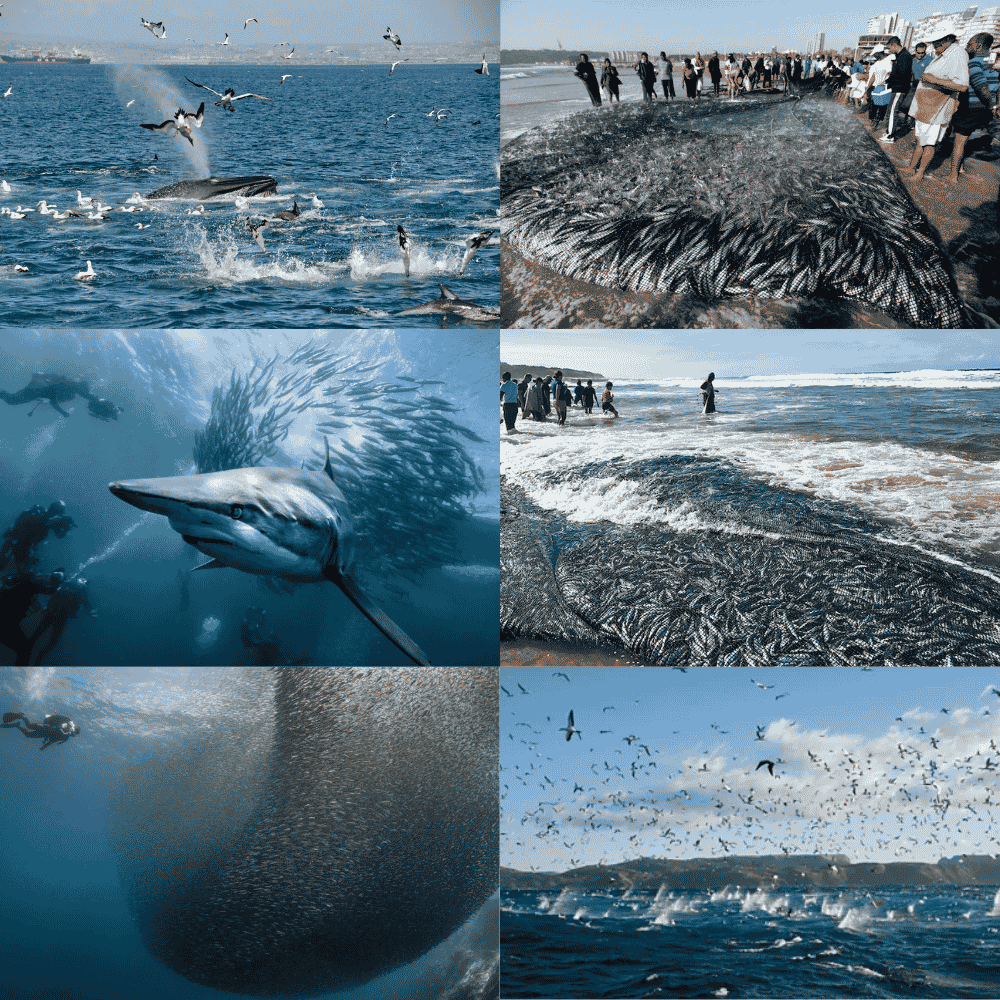
Every year between May and July, millions of sardines migrate along the shoreline of South Africa’s Wild Coast in one of the planet’s most dramatic marine spectacles. Known as the “sardine run,” this extraordinary movement of fish transforms the Indian Ocean into a giant feeding arena, attracting dolphins, sharks, whales, seabirds and game fish in a breathtaking natural frenzy.
The phenomenon occurs when huge shoals of Southern African pilchards travel northward from the cool waters of the Agulhas Bank along the country’s eastern coastline. The dense silver masses can stretch for several kilometers, sometimes becoming so large they are visible from the air. Scientists compare the event to the great wildebeest migration of East Africa because of its enormous biomass and ecological importance.
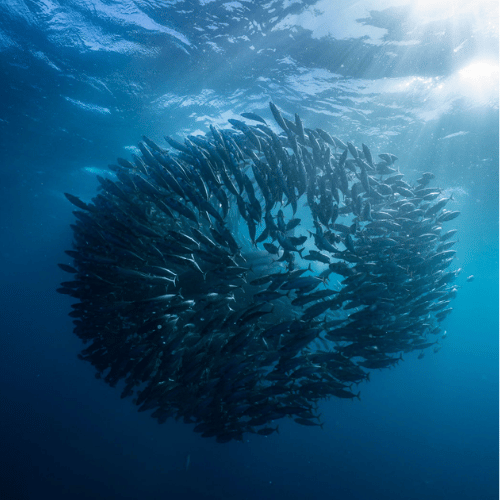
As the sardines move close to shore, predators gather in spectacular numbers. Pods of common dolphins work together to herd the fish into tight “bait balls,” while sharks attack from below and Cape gannets dive from the sky at incredible speed. Bryde’s whales and humpback whales also join the feast, creating unforgettable scenes for divers, photographers and wildlife enthusiasts.
Often described as “The Greatest Shoal on Earth,” the sardine run has become one of South Africa’s most famous wildlife events and a major attraction for eco-tourism along the Wild Coast and KwaZulu-Natal coastline. Yet scientists still do not fully understand why the migration happens, and some researchers warn that climate change and warming ocean temperatures could threaten the future of this unique natural phenomenon.